Walk the Past, Frame the Future
Chosen theme: Preserving History Through Photography: Urban Walks in Historic Districts. Step into cobbled lanes, faded facades, and whispered stories as we use mindful photography and curious footsteps to honor memory, document change, and invite communities to speak through our images.
Walking as Time Travel
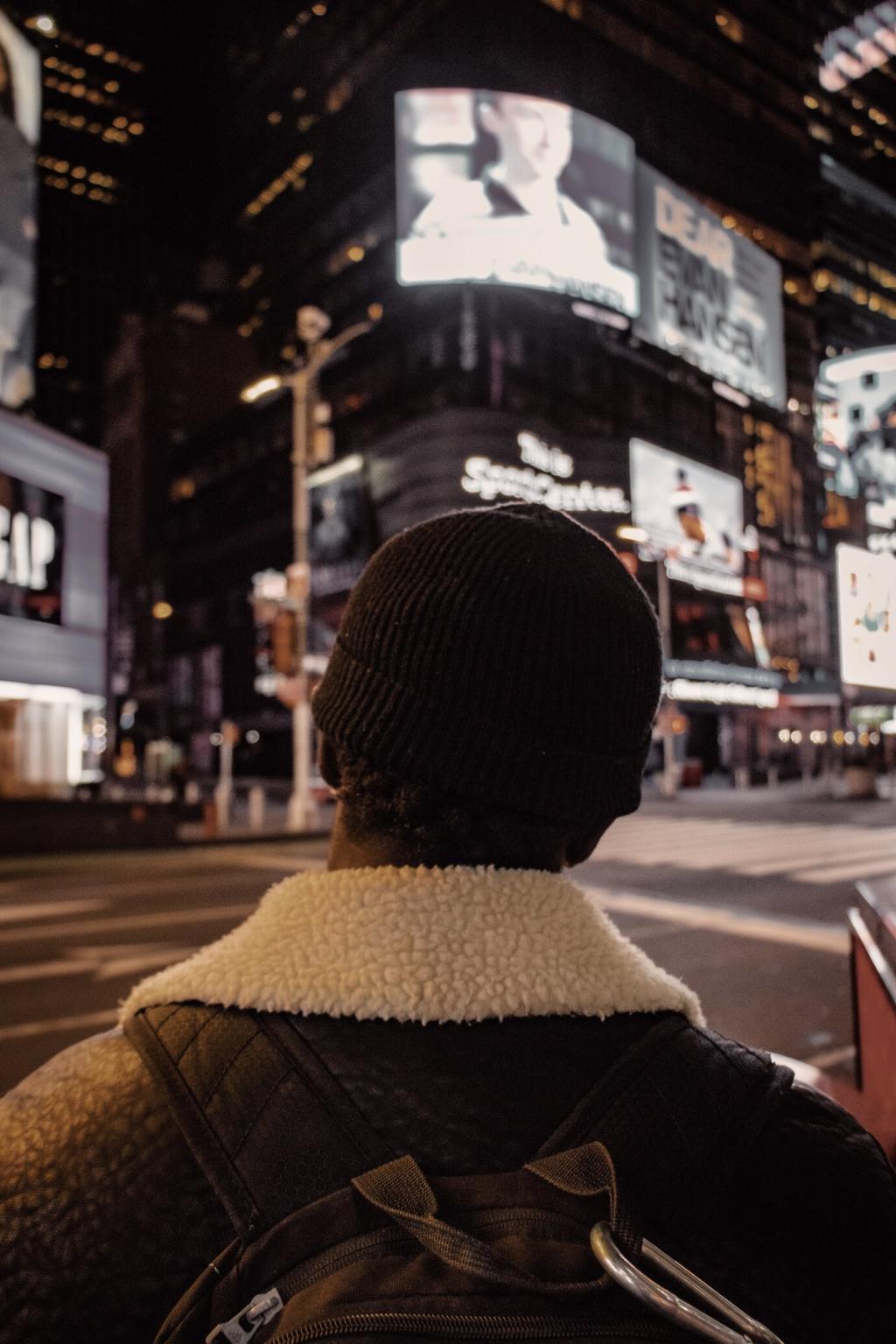
Every corner holds echoes: a worn threshold where a thousand shoes paused, a ghost sign still bargaining for attention. Walking turns distance into intimacy, helping your lens capture feelings, not merely facts. Share your first remembered street that felt like time travel.
The Lens as a Preservation Tool
Your camera can become a witness when a cornice is threatened or a mural quietly fades. Photograph signage, street furniture, and modest storefronts; together, these fragments protect a district’s soul. Subscribe to follow case studies where images helped document heritage at risk.
Local Voices, Lasting Images
In one alley, a caretaker described the bakery that once perfumed the block; her words shaped the captions as much as the photographs. Invite conversation, gather quotes with permission, and weave them into your series. Comment with a voice you’d love to record.
Gear for Respectful, Agile Street Heritage Photography
Quiet Cameras, Quiet Footsteps
Select a compact mirrorless body or rangefinder with a silent shutter. Avoid flash in residential windows and sacred spaces. Soft shoes, patience, and a gentle posture matter as much as megapixels. Tell us how you keep a low profile while photographing histories.
Prime Lenses for Detail and Distance
A 28mm invites the streetscape; a 50mm isolates carvings, keyholes, and worn bricks. Primes sharpen your eye, encouraging deliberate movement. Try back-button focus for quick transitions. Share your favorite focal lengths for cobblestones, cornices, and those fleeting, luminous doorways.
Ethical Accessories
Pack a microfiber cloth, a small reflector for soft fill, and a neutral density filter for mid-day glare—never obtrusive rigs. Keep a simple release card for portraits. If a space feels private, lower the camera. Join our list for a respectful gear checklist.
Historic insurance maps and city atlases show where stables became garages and breweries became apartments. Match addresses, note former uses, and plan frames that echo original functions. Post your favorite map resources so fellow walkers can bring history to the curb.
Routes Through Historic Districts: Mapping Stories
Build a custom digital map with archival photos pinned to GPS coordinates. Then walk and align vantage points for rephotography. Geotag responsibly to avoid sensitive sites. Subscribe to receive our downloadable GPX routes and annotated overlays for upcoming city walks.
Routes Through Historic Districts: Mapping Stories
Light, Texture, and Patina: Visual Language of Age
At sunrise, low angles carve relief from brick and cast-iron. Lettering rises, mortar recedes, and even scuffs glow with significance. Work slowly and bracket exposures. Share a dawn image where light translated age into something you could almost touch.
Light, Texture, and Patina: Visual Language of Age
After rain, streets become mirrors. Reflections create doubled stories—past above, present below. Embrace slower shutter speeds for shimmering textures. Keep your stance stable and your lens hood handy. Post your favorite wet-weather frame that revealed a secret in a familiar facade.
People of the District: Portraits with Permission
Approaching with Purpose
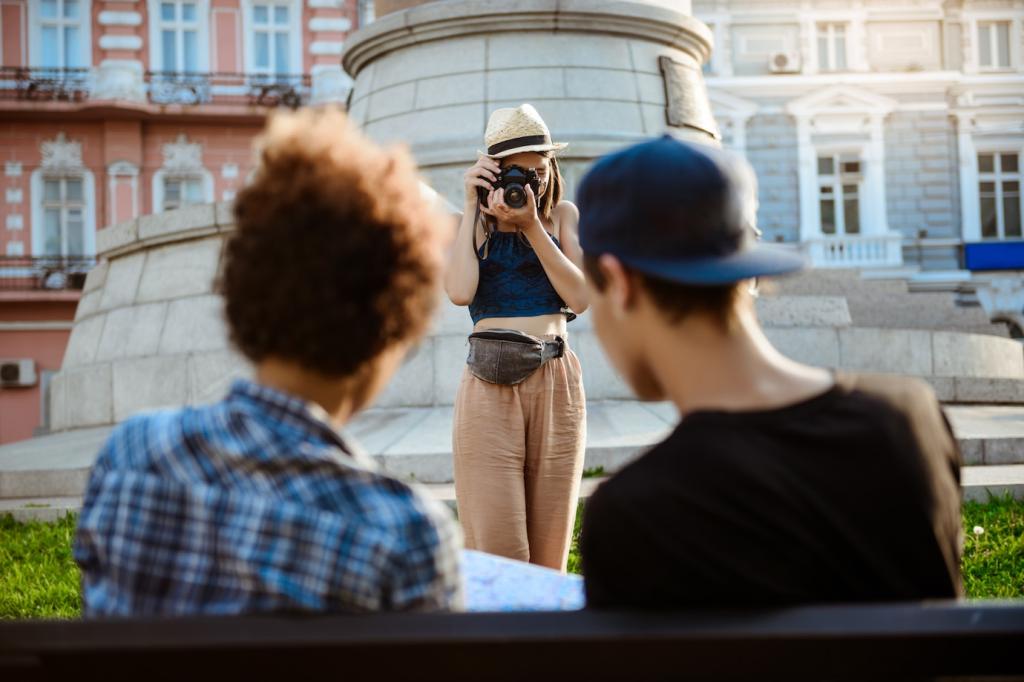
Introduce yourself, explain the project, and show a few prints from prior walks. Clear intentions open doors and smiles. Offer to share finished images. Tell us what phrases help you start respectful, meaningful conversations during your historic photo walks.
Oral Histories in Captions
Ask about names, dates, smells, and sounds—small specifics that anchor memory. Transcribe quotes, then link them to images in your gallery. Captions become mini oral histories. Subscribe to receive our captioning template that blends narrative detail with photo metadata.
Composing to Preserve: Before-and-After Futures
01
Anchor Points and Vanishing Lines
Choose fixed anchors—cornerstones, lampposts, manhole covers—and align verticals carefully. These references allow precise rephotography. Leave notes on framing heights. Comment with a location where your careful alignment revealed decades of change in two overlapping images.
02
Archival Consistency and Tripod Spots
Mark discreet tripod positions or note stepping distances from facades. Keep consistent focal lengths for repeatable coverage. Consistency makes comparisons meaningful beyond aesthetics. Subscribe for our printable field cards that standardize angles, distances, and lens choices on every walk.
03
Metadata as Memory
Complete metadata—address, cross streets, architectural style, maker notes—turns a photo into a record. Tag interviews, building permits, and map sources. Back up redundantly. Share your metadata workflow to help others preserve accessibility across generations and devices.
Safety, Respect, and Community Engagement
Feet on Stone, Eyes on Context
Cobblestones twist ankles and distract. Slow your pace, step wide, and pause to frame safely. Read posted rules, avoid blocked doorways, and never trespass. Tell us your best tip for staying aware while crafting thoughtful, historically sensitive compositions.
Join Local Walks and Historical Societies
Community walks reveal overlooked details—restored transoms, reused timber, stories behind house numbers. Membership supports preservation grants and archives. Subscribe for our monthly roundup of guided walks and society events in historic districts worldwide.
Share, Credit, and Return Prints
After publishing, bring prints back or share links with residents and businesses. Credit storytellers by name when allowed. Reciprocity nurtures trust and continuity. Comment with a time you returned an image and learned an unexpected chapter of the street’s history.